Fully licensed & accredited
-
 Building & Plumbing Commission
-
 Australian Society of Building Consultants
-
 Strata Community Association
-
 Building Dispute Practitioners Society
An independent building report for a Rockbank home insurance claim: what damaged the house, how far the damage goes and what the repair should include, set out with photographs and readings.
One of our inspectors will call you back.
If it is urgent, email [email protected]
Fully licensed & accredited
Building & Plumbing Commission Australian Society of Building Consultants Strata Community Association Building Dispute Practitioners Society An insurance building report is a non-destructive inspection that records the damage, its most likely cause and its extent, and where the quality of the original work is in question it refers to the National Construction Code, the Building and Plumbing Commission's Guide to Standards and Tolerances and the Australian Standards for the element involved.
21 checkpoints across 6 areas on a standard Rockbank insurance building report. Anything locked, sealed or covered by stored goods on the day is recorded as not inspected. We do not pass work we could not reach.
Examples from recent inspections around Rockbank.
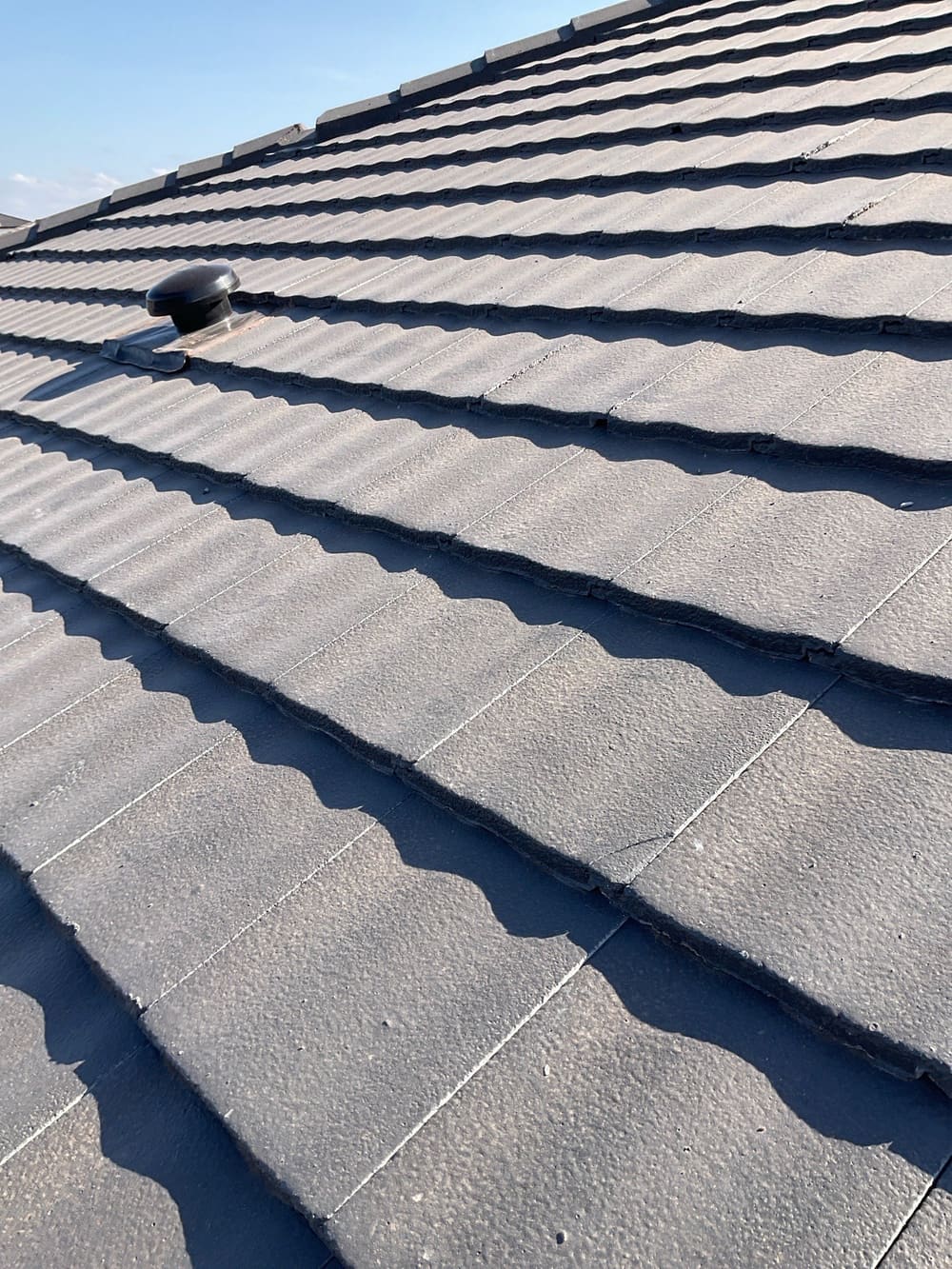
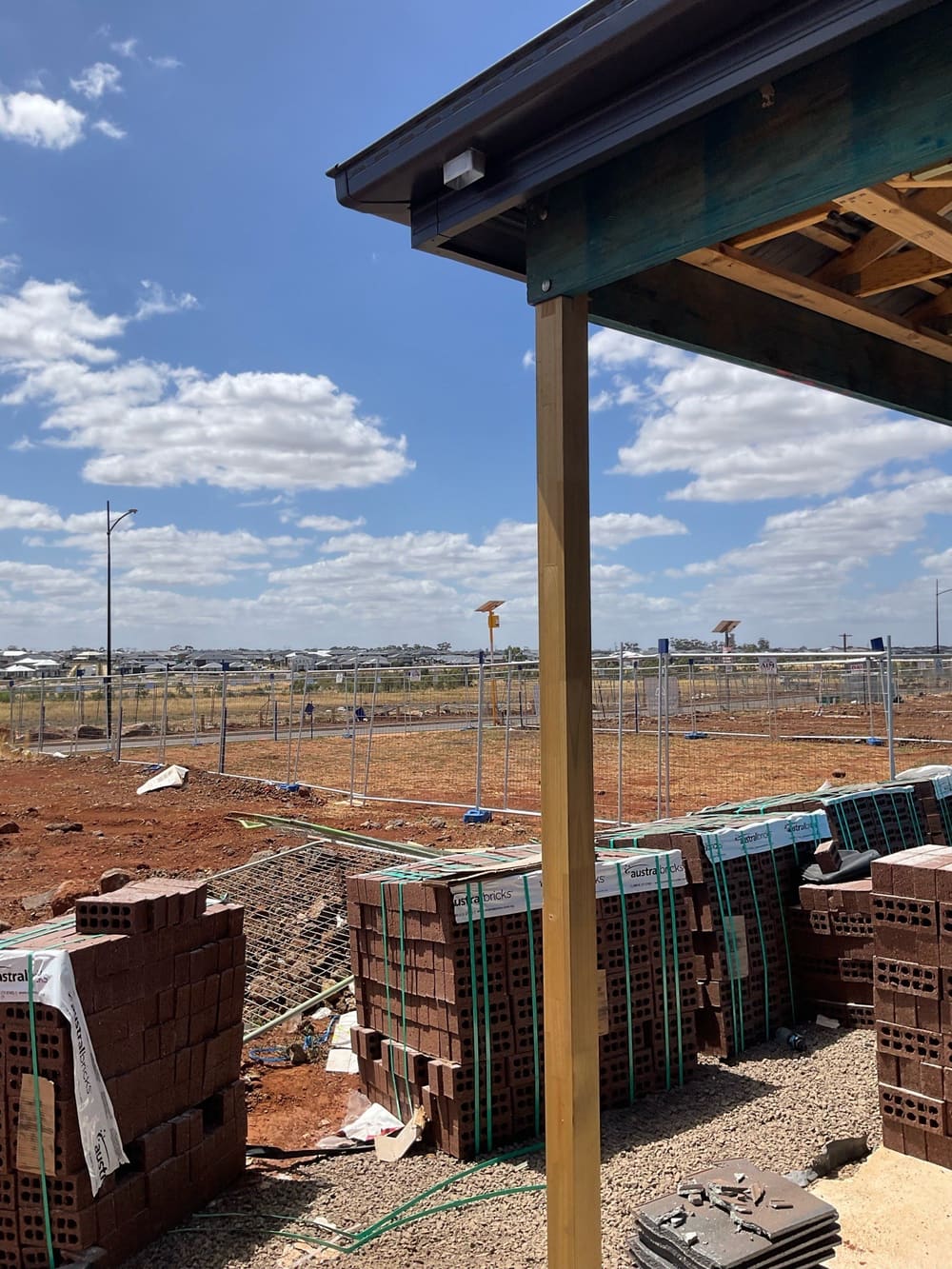
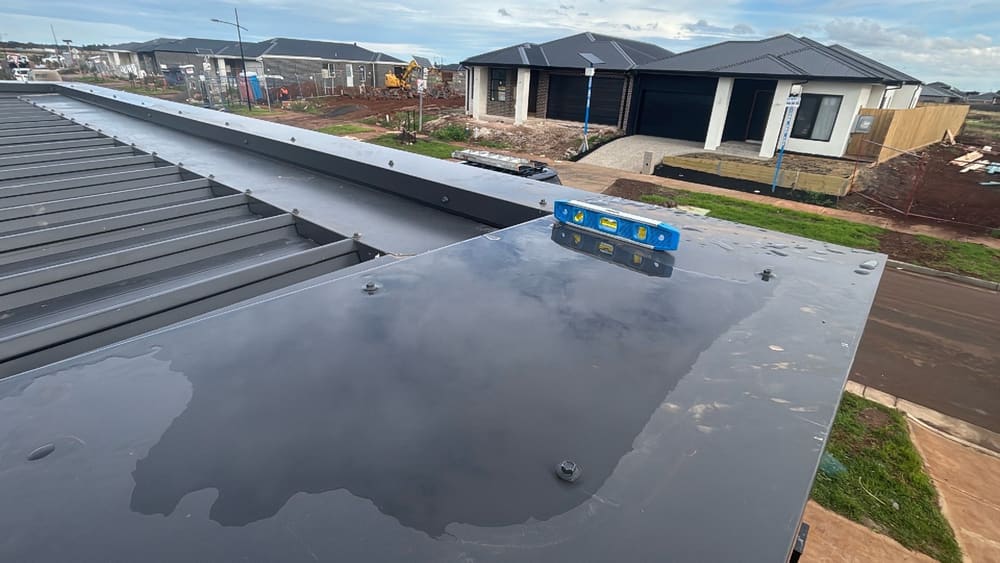
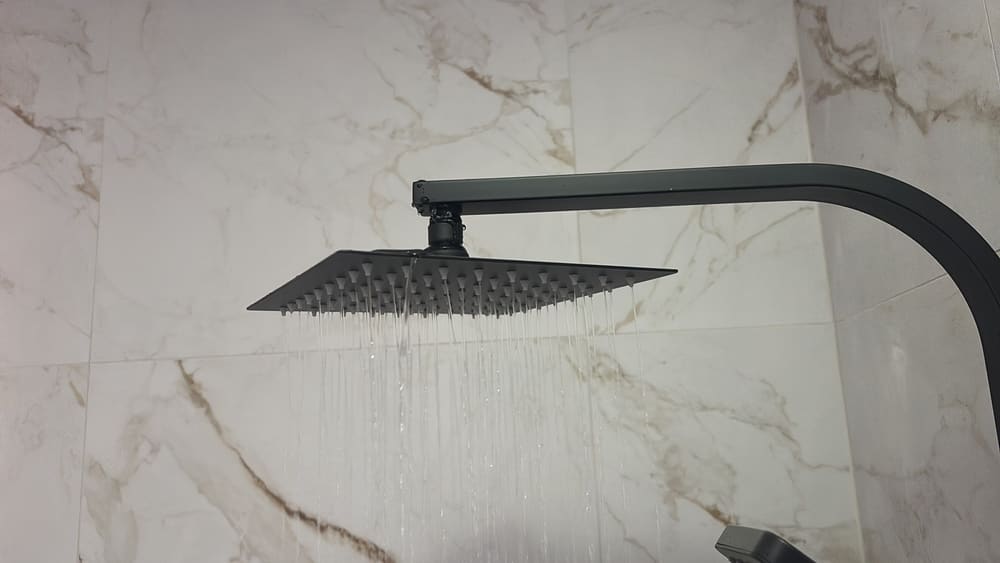
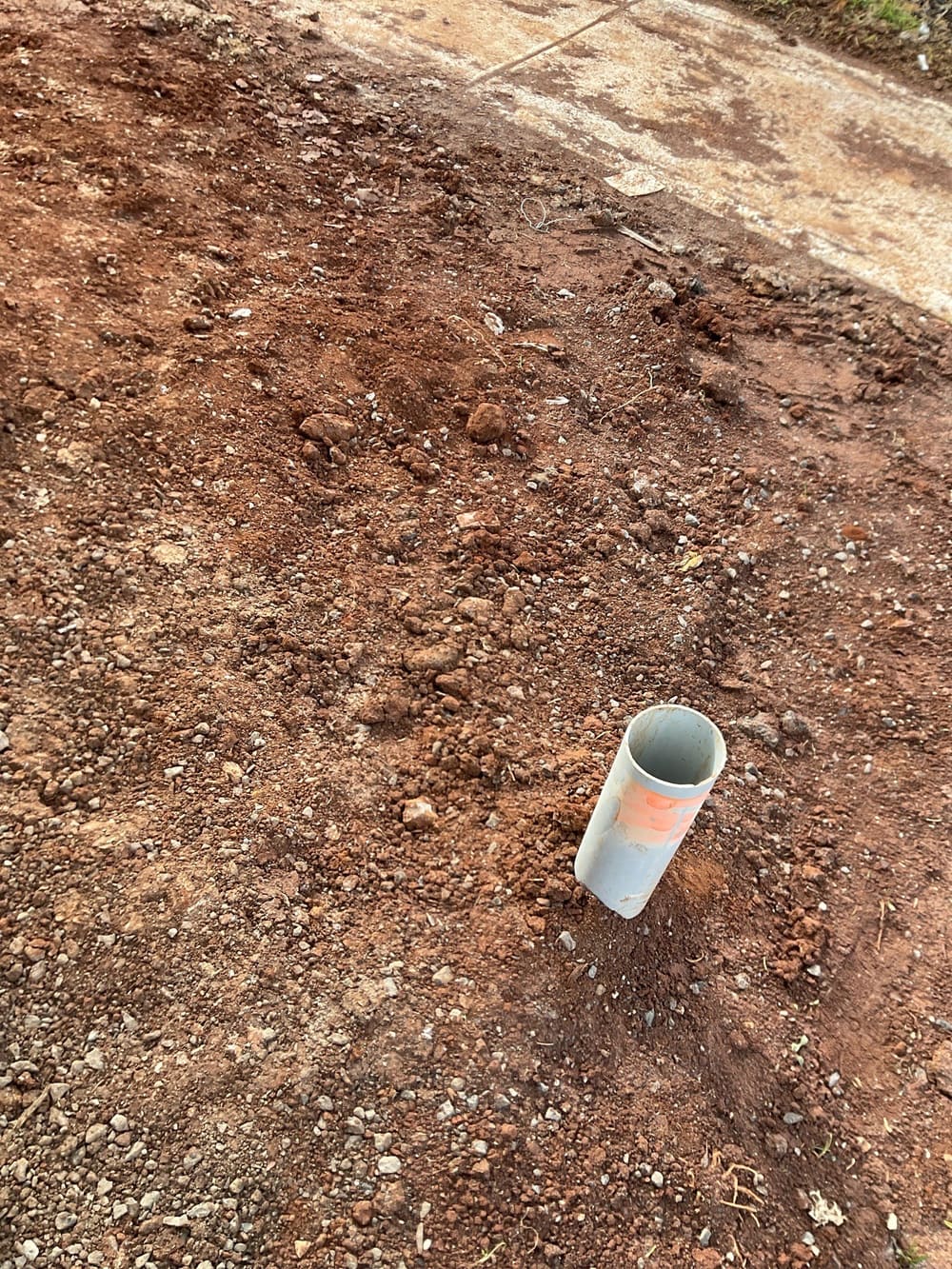
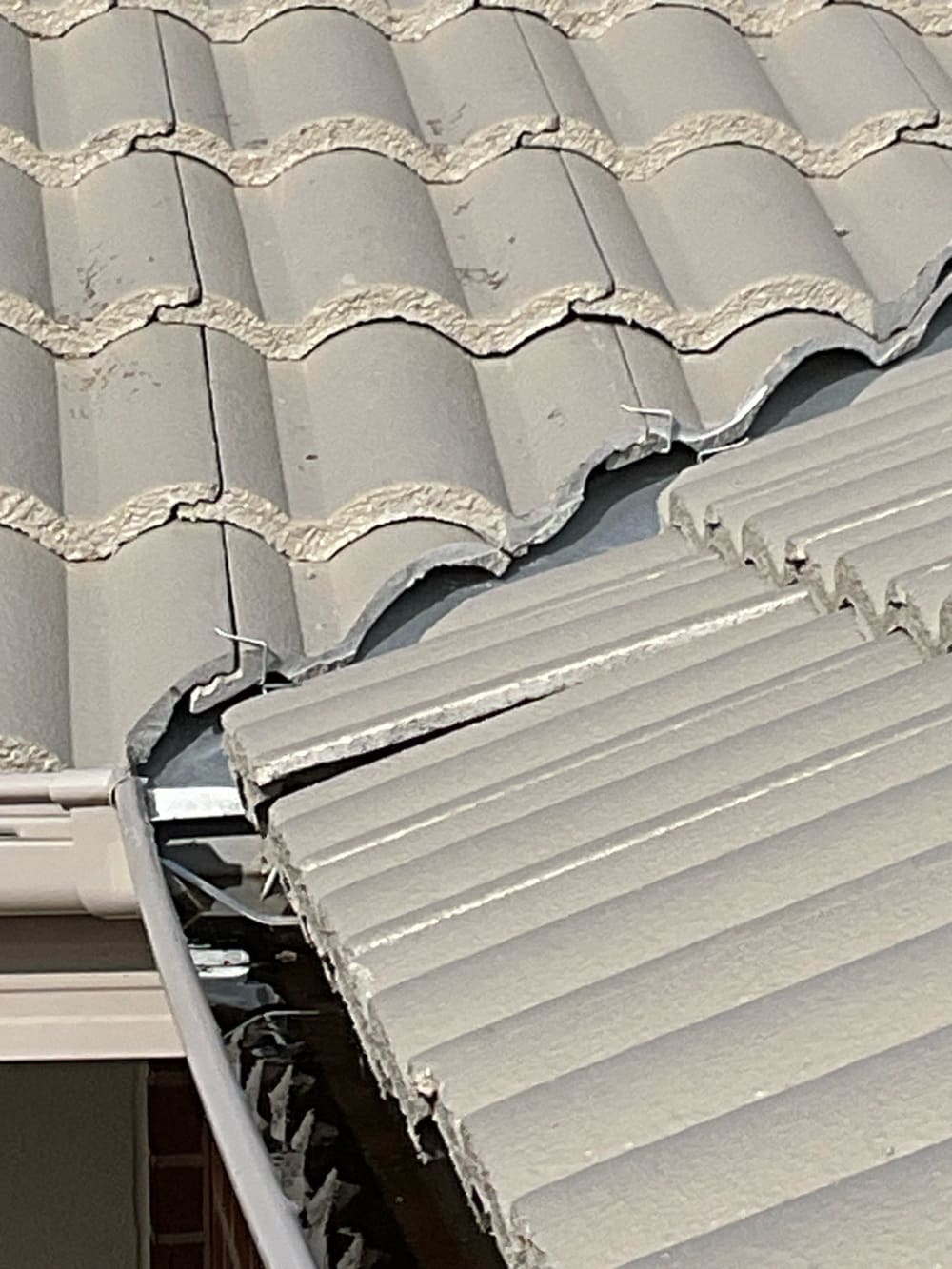
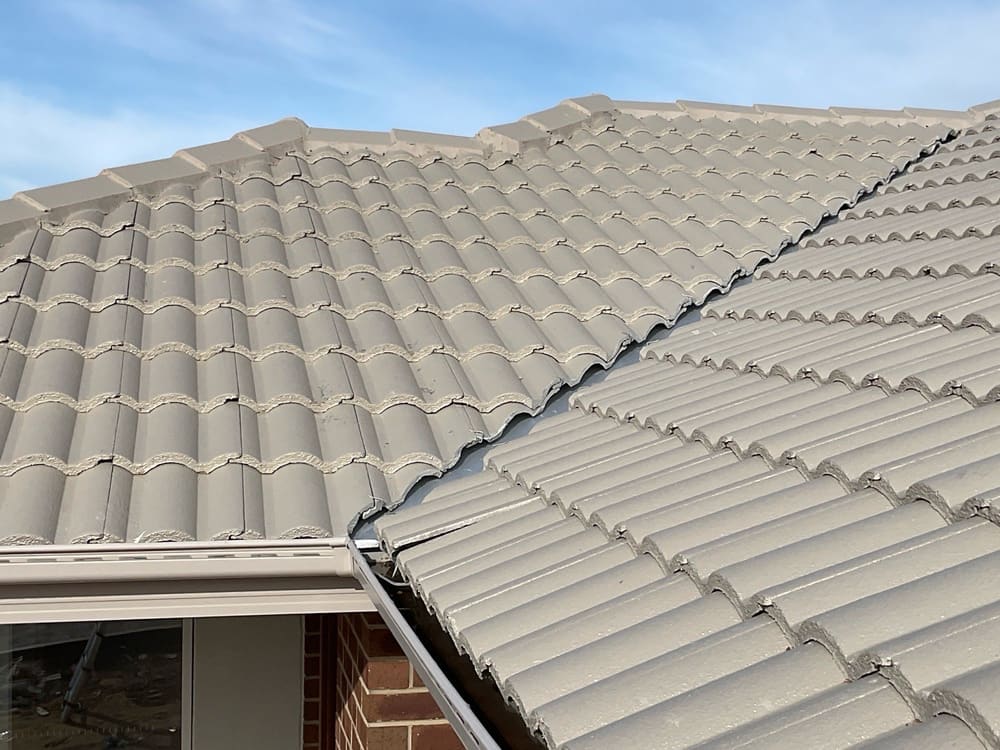
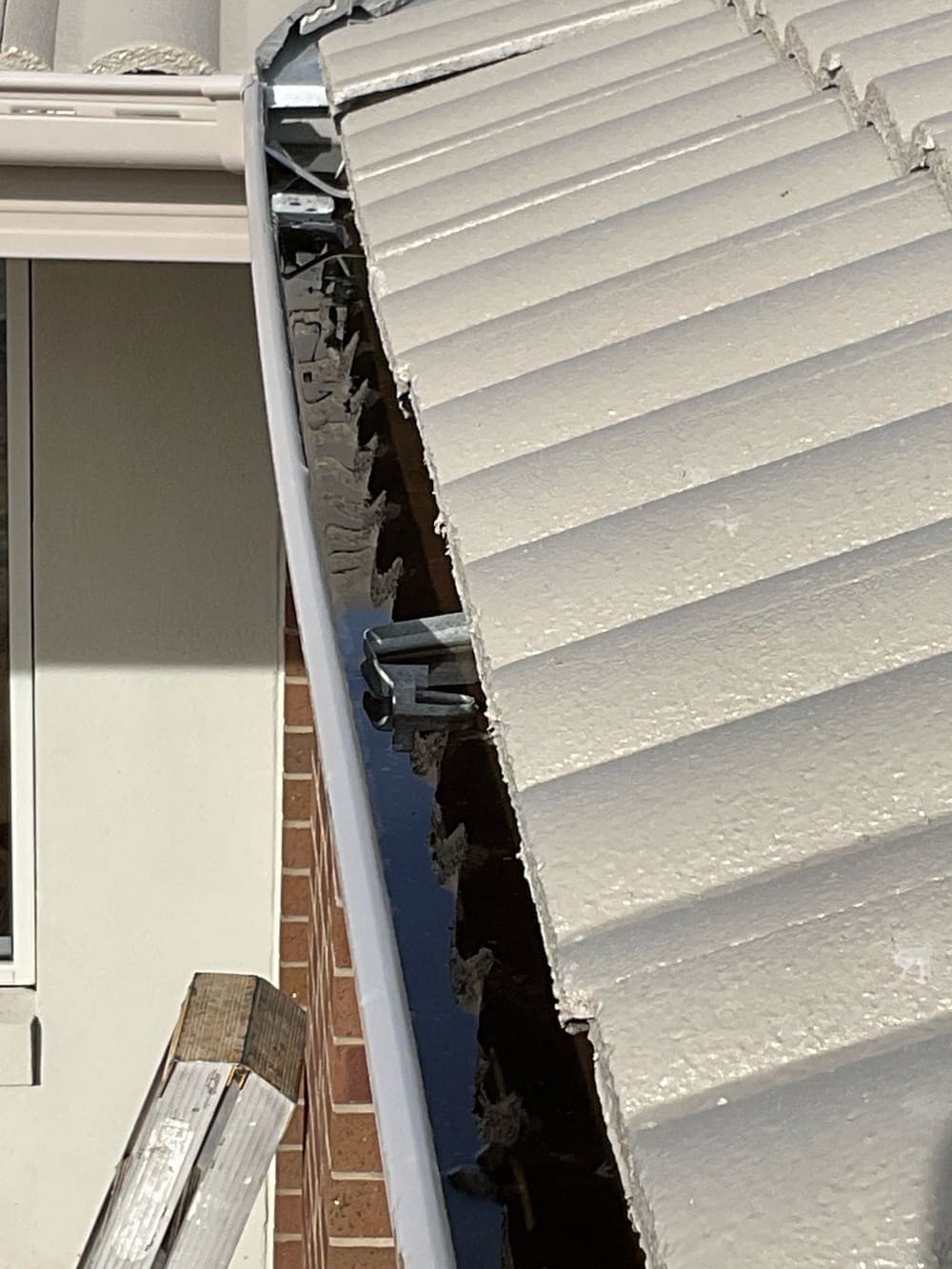
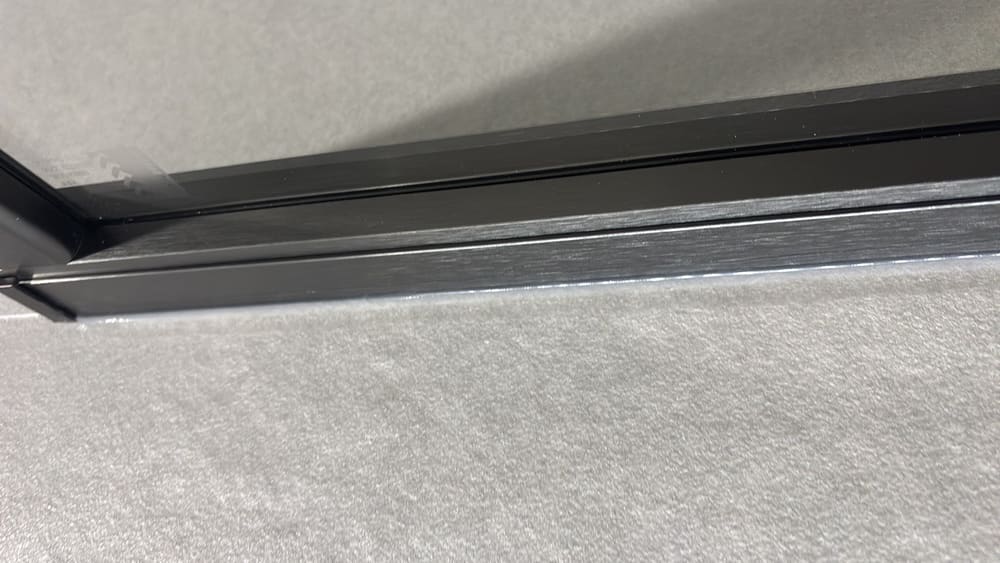
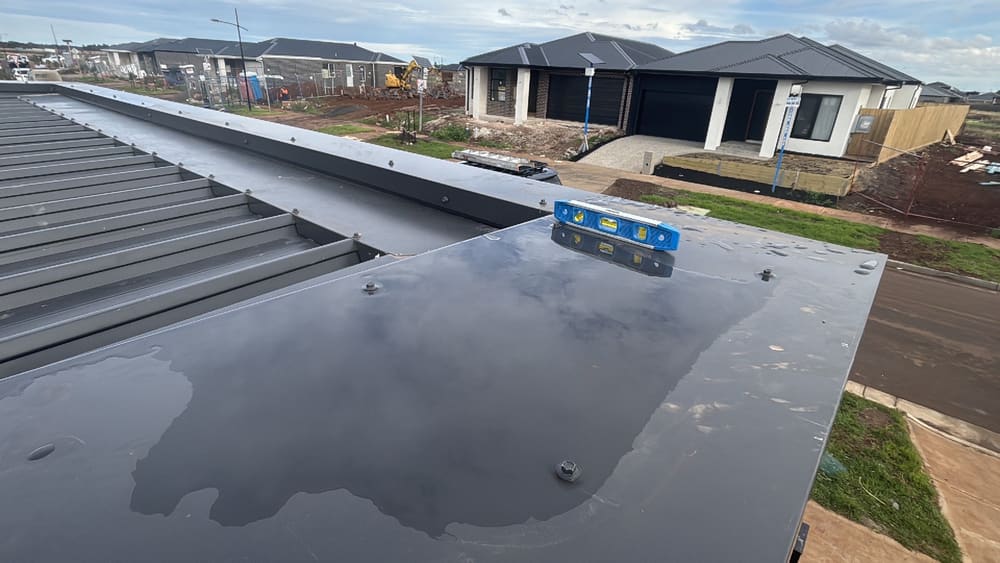

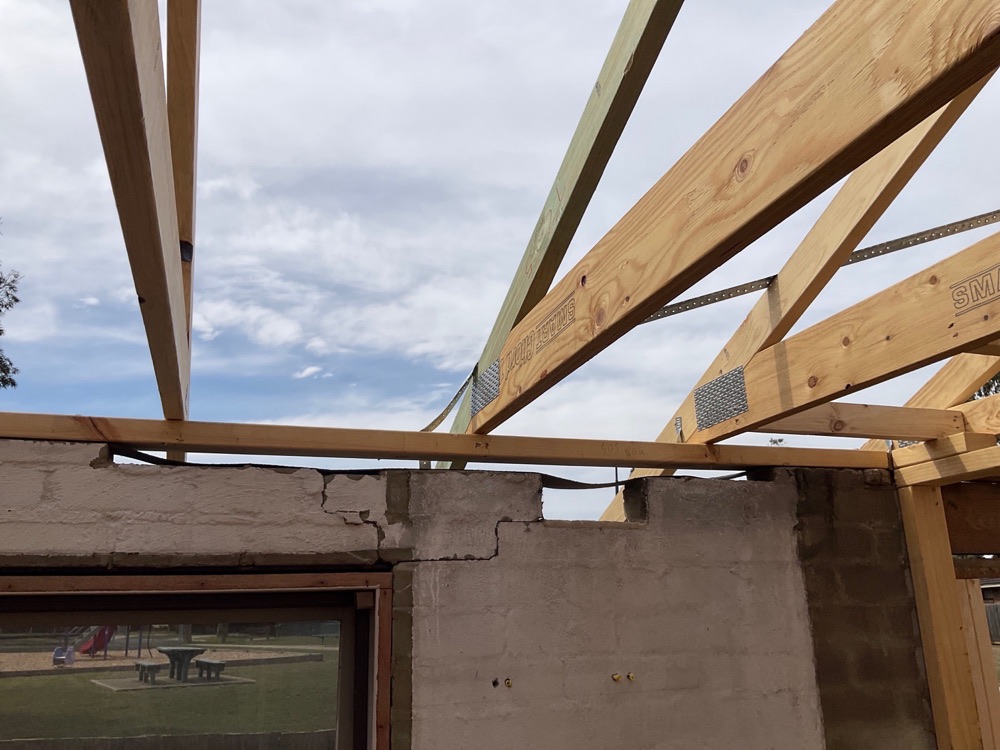 New Construction Stage Inspections Seven checks through a Rockbank build, each timed before the work disappears behind the next trade.
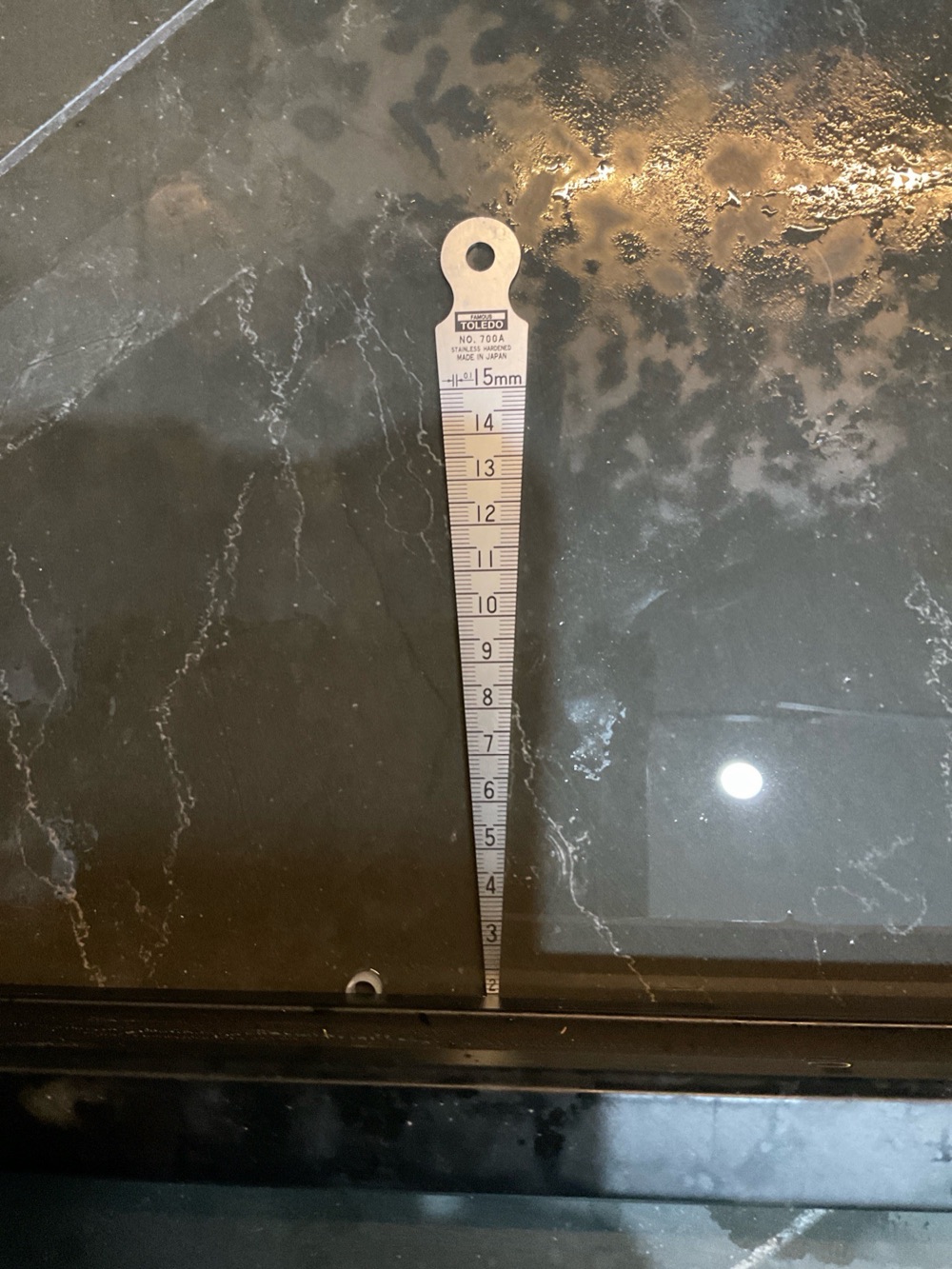 Pre-Handover (PCI) Inspections The inspection before keys, where the water items get chased first.
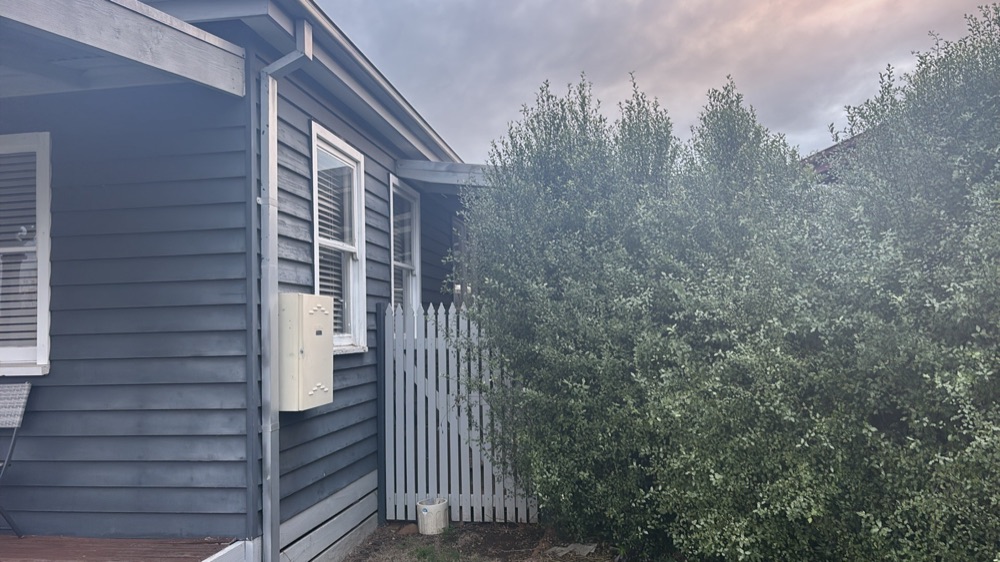 Building and Pest Inspections Building and timber pest together, covering the conditions around the house as closely as the house.
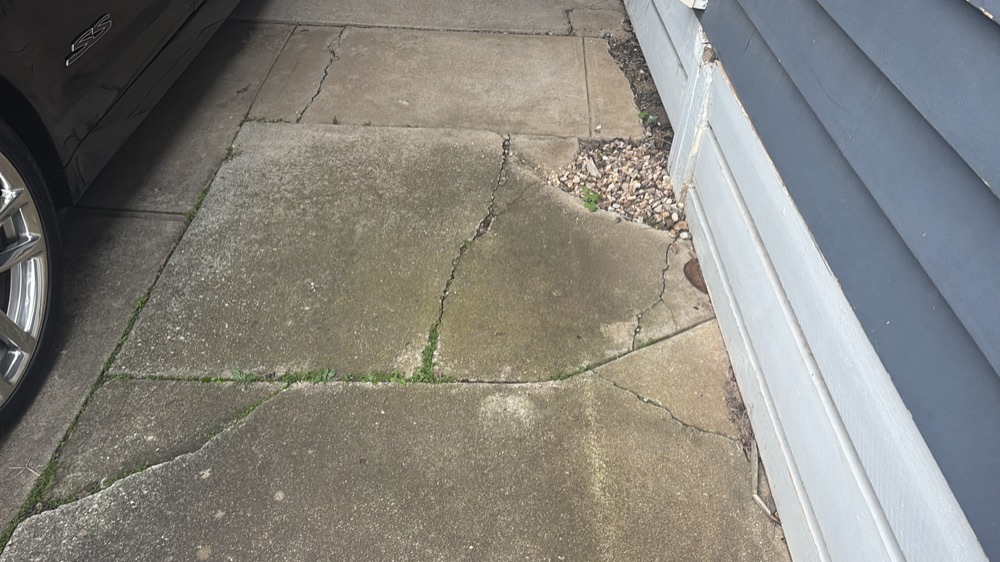 Pre-Purchase Building Inspections An established property assessed under AS 4349.1, with cracking measured rather than described.
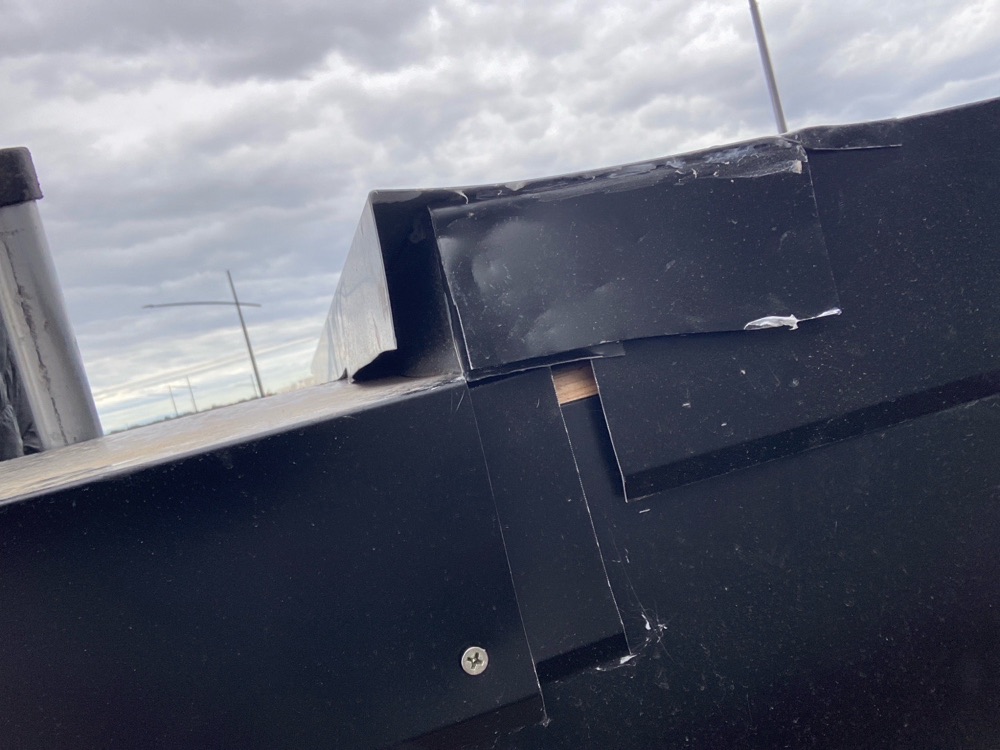 Dilapidation Reports A dated photographic record of your property before construction starts beside it.
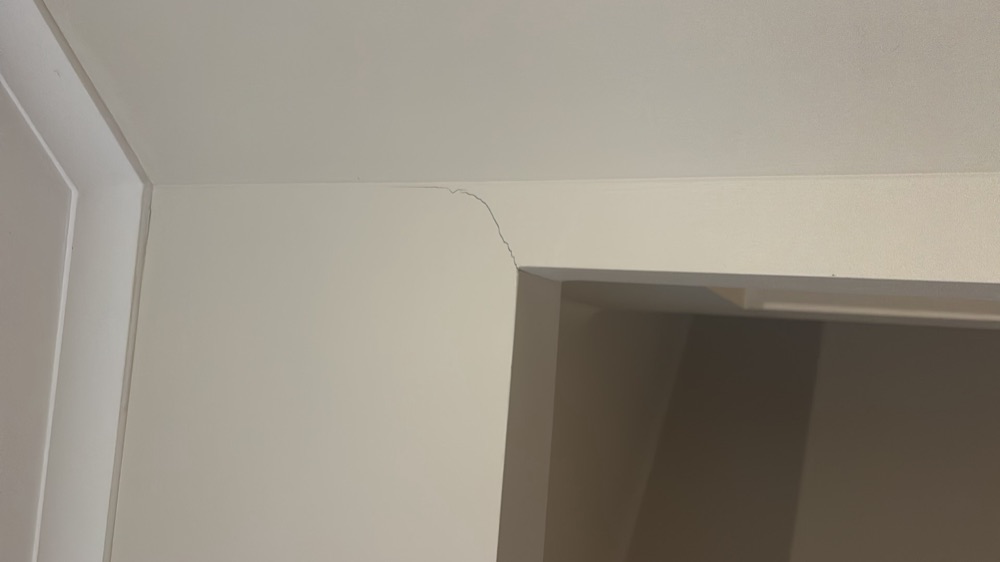 Expert Witness Reports Written to the VCAT expert evidence practice note once a matter goes to the tribunal.
 Pre-Listing Inspections Learn what a buyer's inspector will write up, before you list.
Instant online pricing for Rockbank, or contact the booking team.
It is an independent inspection and written report on damage to your home: what is damaged, the most likely cause, how far the damage extends and the repair work needed to put it right. Every finding is photographed and readings are recorded where water or movement is involved. Owners use it to support a claim, to respond to a declined claim or to question an insurer's scope of works.
No. A loss adjuster or assessor is appointed by the insurer to assess the claim for the insurer. We are engaged by you to report on the building, and the report states the author's qualifications and registration. We do not decide claims, negotiate settlements or give legal advice.
No report can promise that. The outcome turns on your policy wording, the cause of the damage and the law. What the report does is put clear evidence of cause and extent in front of the people deciding, and if the matter reaches the Australian Financial Complaints Authority, it weighs expert evidence from both sides.
Under the General Insurance Code of Practice, when an insurer denies a claim or does not pay it in full it must tell you in writing which parts it does not accept, the reasons, and that you can ask for the information and the expert or service supplier reports it relied on. If you ask for those reports, the Code says they are provided within 10 business days. Send them to us, because our report answers them point by point.
By what the damage looks like and where it sits. Freshly broken or displaced tiles, lifted sheeting and staining that lines up with the event point one way; rust, perished sealant, old tide marks and gaps that have been open for years point the other. Where both are present the report says so plainly, because an insurer relying on a wear and tear exclusion has to show the wear actually caused the loss, not just that some wear exists.
Many home policies exclude faulty workmanship, so the report first settles what is actually leaking and why. If the cause is the original building work on a newer Rockbank home, the Domestic Building Contracts Act 1995 implies warranties that the work is done in a workmanlike manner, with reasonable care and skill and with suitable materials. A building action generally has to start within 10 years of the occupancy permit (or the certificate of final inspection if there was no permit). Raise defects with the builder in writing and use the Building and Plumbing Commission's dispute resolution service, and get advice on deadlines early.
Yes. A scope of works lists the repairs the insurer will fund, and items can be left out because they are not covered or because they were missed. We compare the scope with what we find on site and write a rectification scope a builder can quote from. The Insurance Council's own guidance tells owners they can seek independent advice from a qualified builder or building consultant on the scope.
Cause and extent come from what we observe and measure on site. Where the original work is in question, we refer to the National Construction Code, the Building and Plumbing Commission's Guide to Standards and Tolerances in the edition that applied when your home was built, and the Australian Standard for the element, such as AS 3740 for waterproofing of domestic wet areas.
Opening up walls, floors or ceilings, engineering certification, soil or laboratory testing, plumbing pressure testing, electrical testing, mould sampling, contents and the repair work itself. We do not deal with the insurer on your behalf or give legal advice. Where only an opening or a plumber's test would confirm the cause, the report says where and why.
First the insurer's internal complaints process: under the Code the insurer must decide within 30 calendar days, or explain the delay and your right to go to AFCA. If the complaint is not resolved, you can take it to the Australian Financial Complaints Authority, a free and independent service whose decisions bind the insurer as set out in its rules. Time limits apply: for most complaints, the earlier of six years from when you knew of the loss and two years after the insurer's final response, so do not leave it.
As soon as you can after the damage, and before repairs where it is safe to wait, because evidence of cause is easiest to read early. Tell us any insurer or complaint deadline when you book. We usually attend within two to four business days and cover Rockbank, Aintree, Deanside, Thornhill Park, Fraser Rise, Plumpton and Melton South.