The membrane and the screed beneath it, checked before a single tile goes over them.
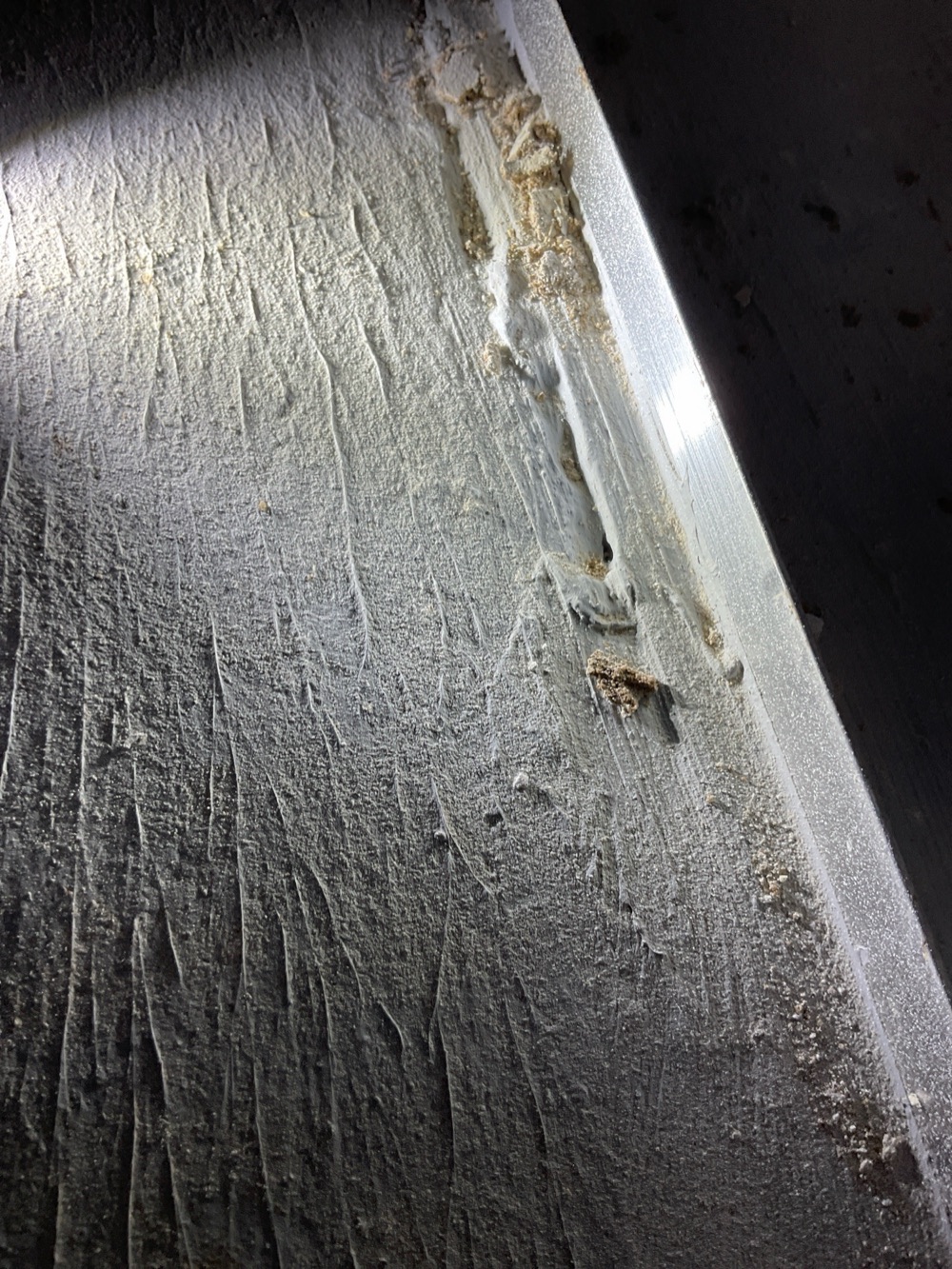
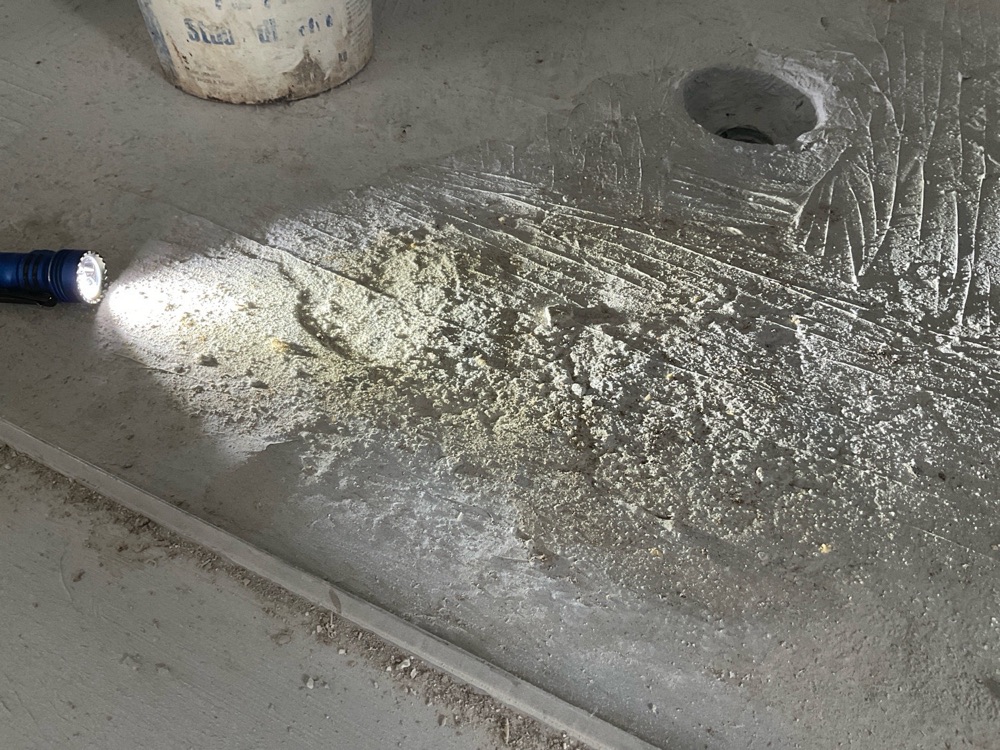
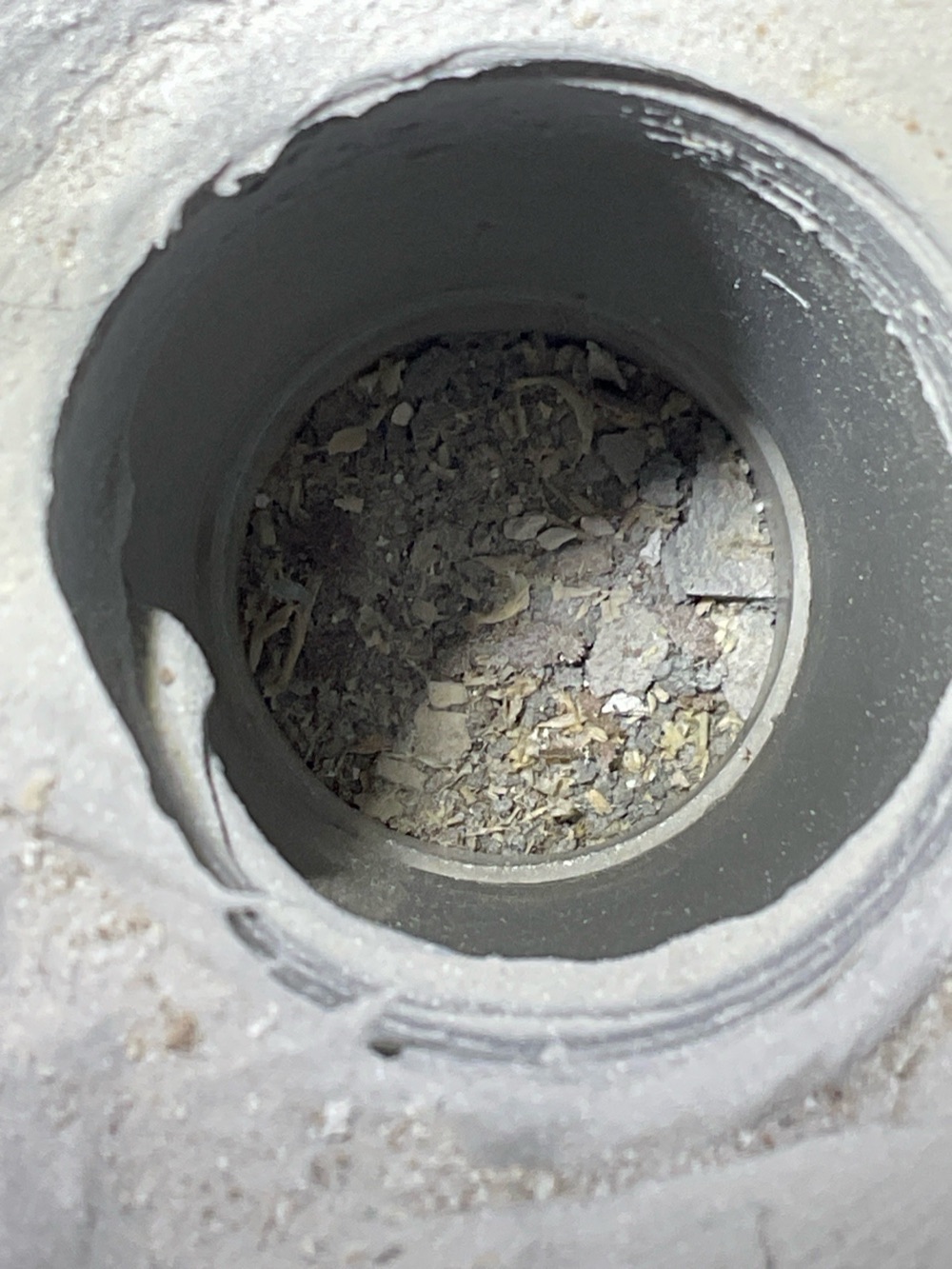
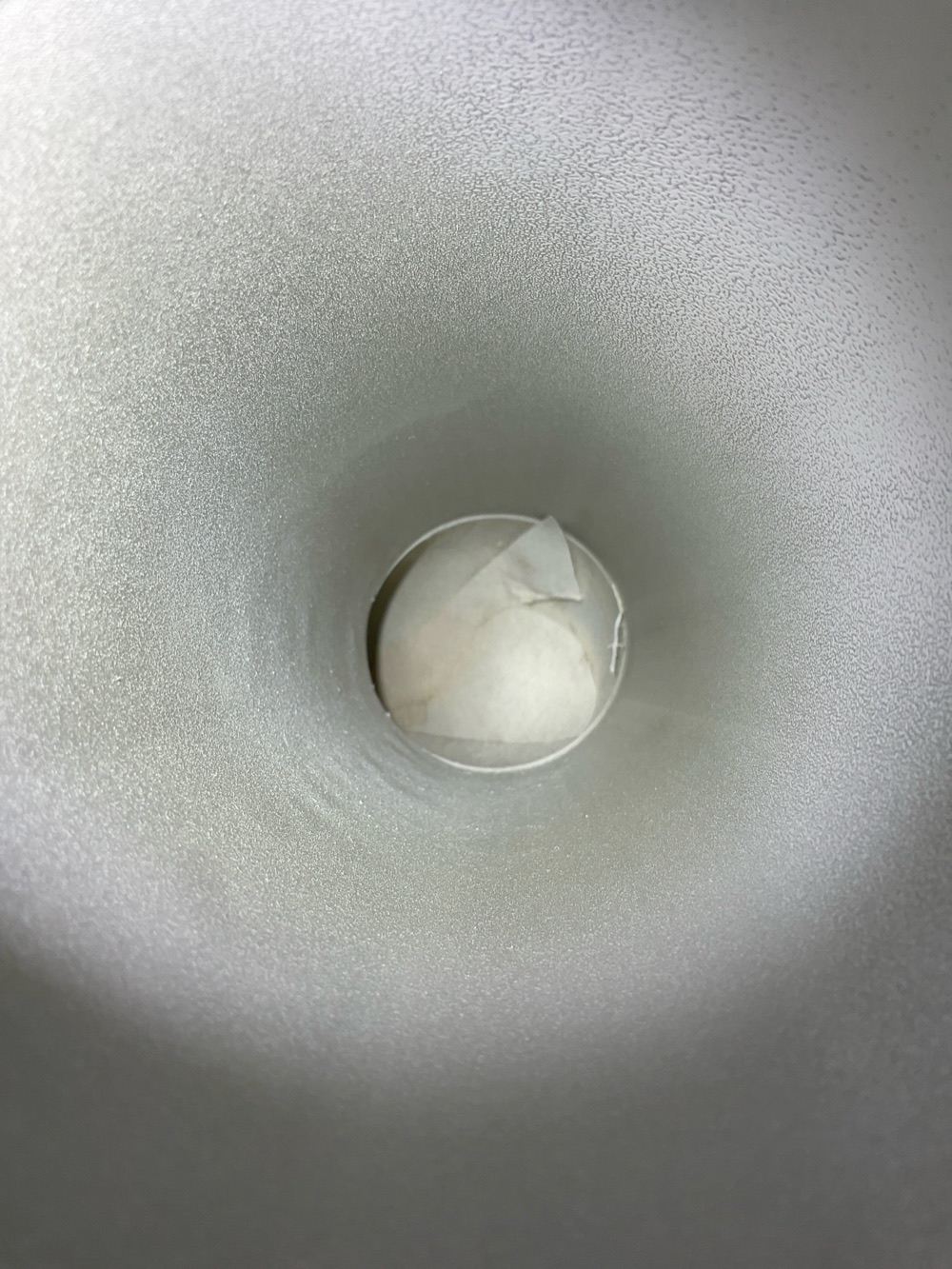
This corridor produces the most avoidable wet area findings we see anywhere: sandpaper left inside a toilet drain, a shower drain full of cement debris, and unfilled holes in a shower base directly above a ground floor ceiling.
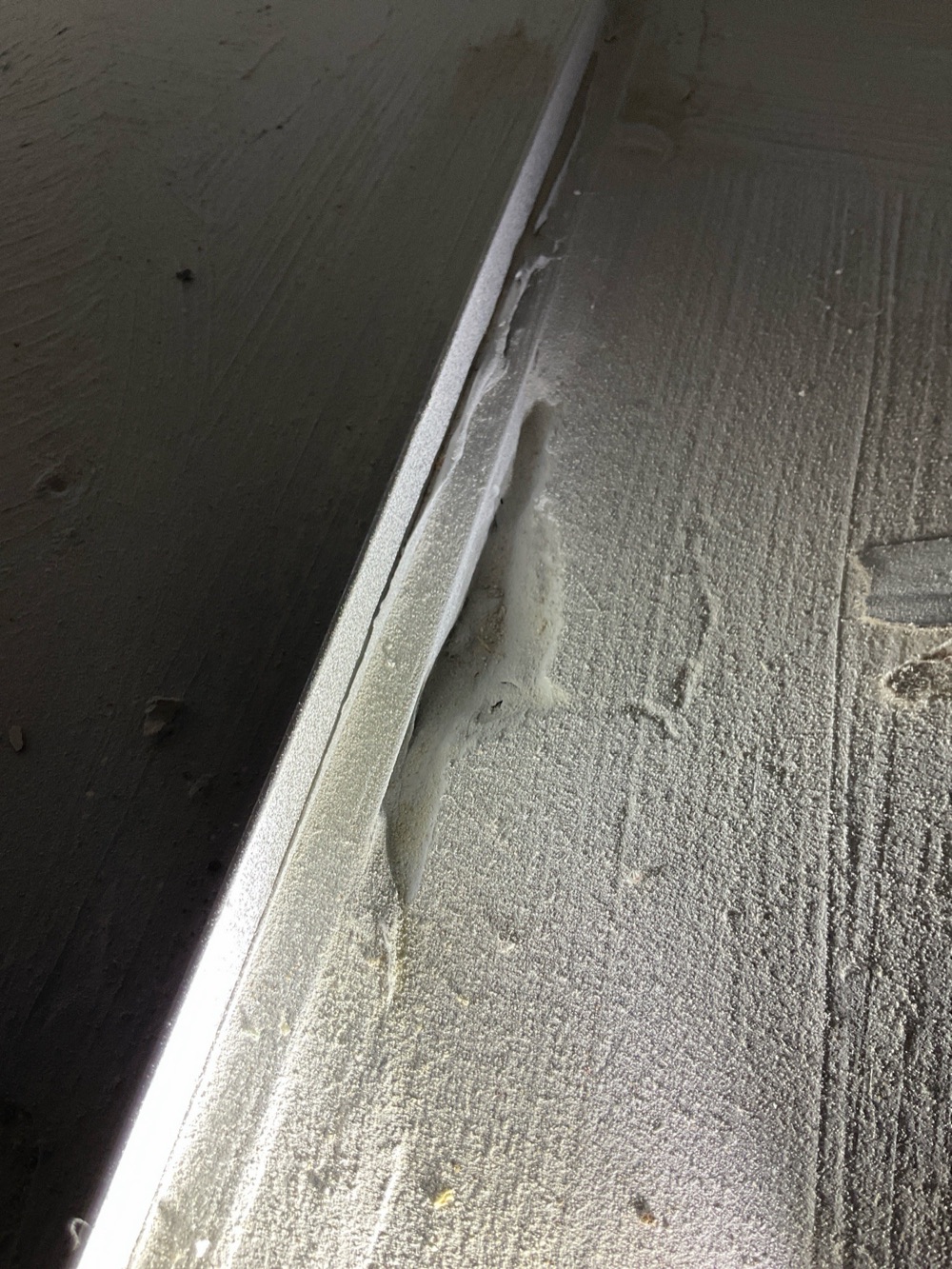
Annotated findings from Waterproofing inspections on Rockbank builds. Client addresses withheld.
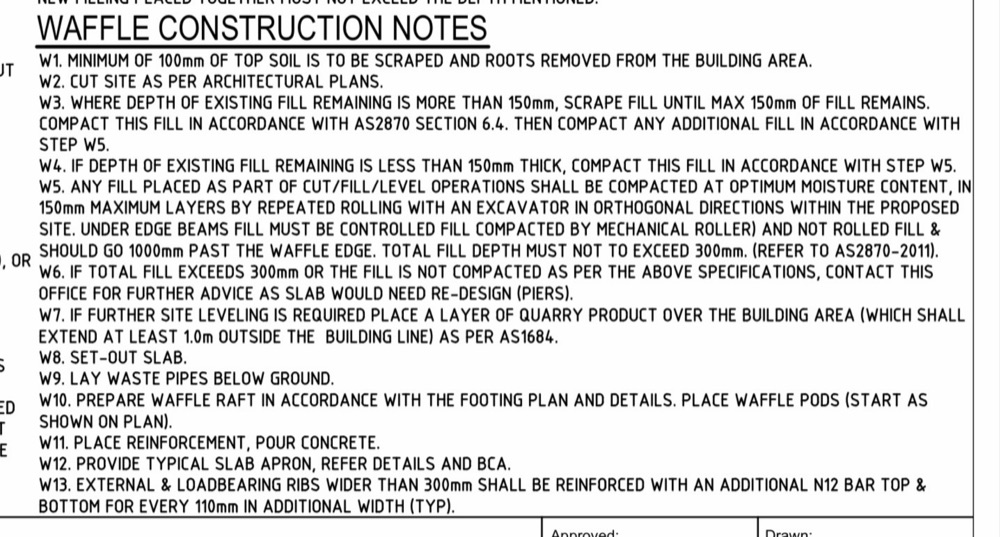 1Bored piersAfter boring and cage placement, before concrete
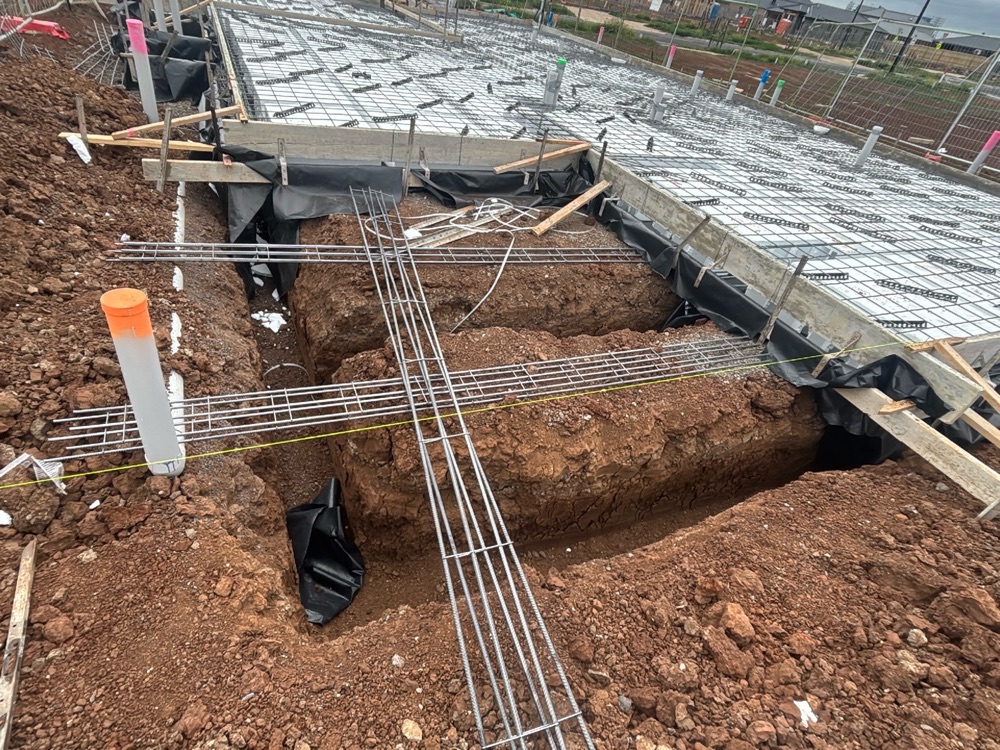 2Slab pre-pourThe day before the pour, with steel and formwork open
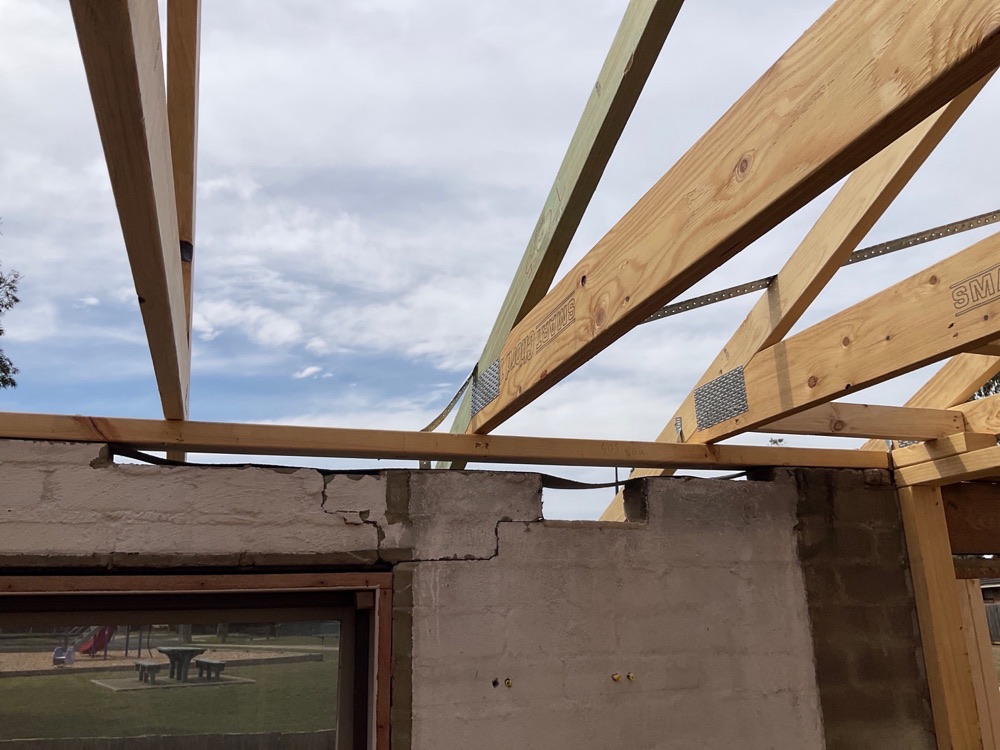 3FrameOnce frame and trusses are up and the roof is on, before sarking
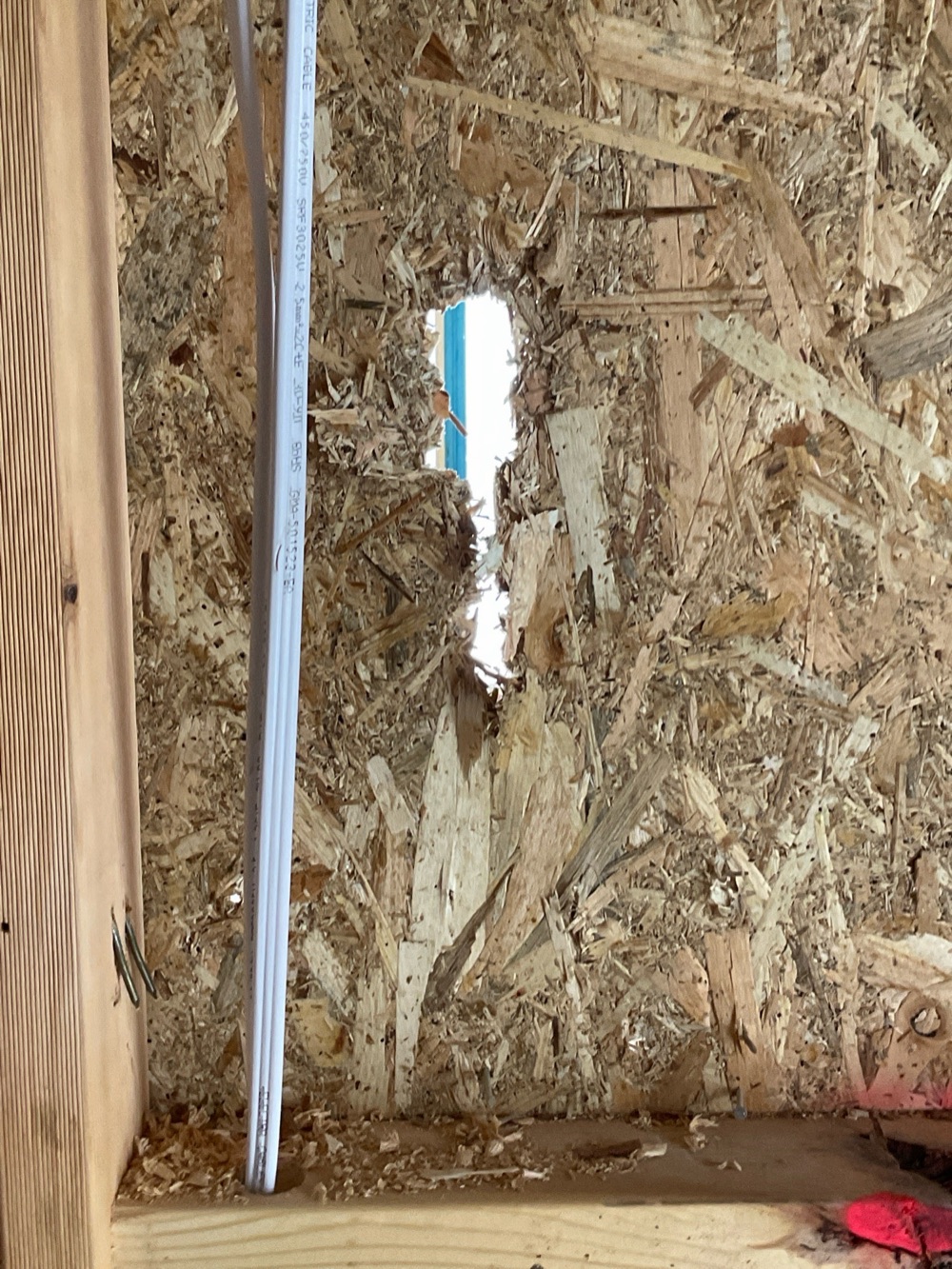 4Lock-up (pre-plaster)After roof, cladding and external doors, before plaster5FixingAfter mouldings, doors and joinery, before painting
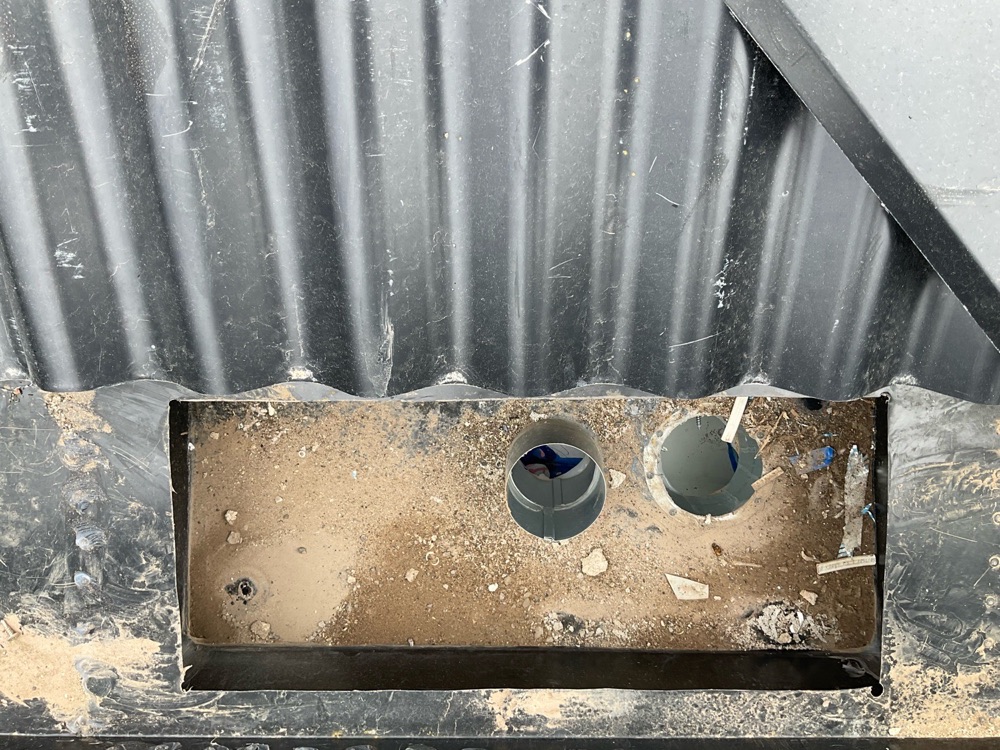 7Pre-handover (PCI)About a week before practical completion
Instant online pricing, or talk to the booking team on 1300 471 805.
It is not. Cement debris and sandpaper set hard and cause blockages that are only reachable by breaking out the tiling afterwards.
On an upper floor they leak directly into the ceiling below, and by then the repair means the bathroom and the ceiling.
That the screed does not fall consistently to the waste. Water sitting on a membrane finds any weakness in it.
AS 3740 for waterproofing of domestic wet areas, with the NCC.
No. A flood test is intrusive work and belongs to the waterproofer.
The waterproofer or the tiler, before tiling starts.